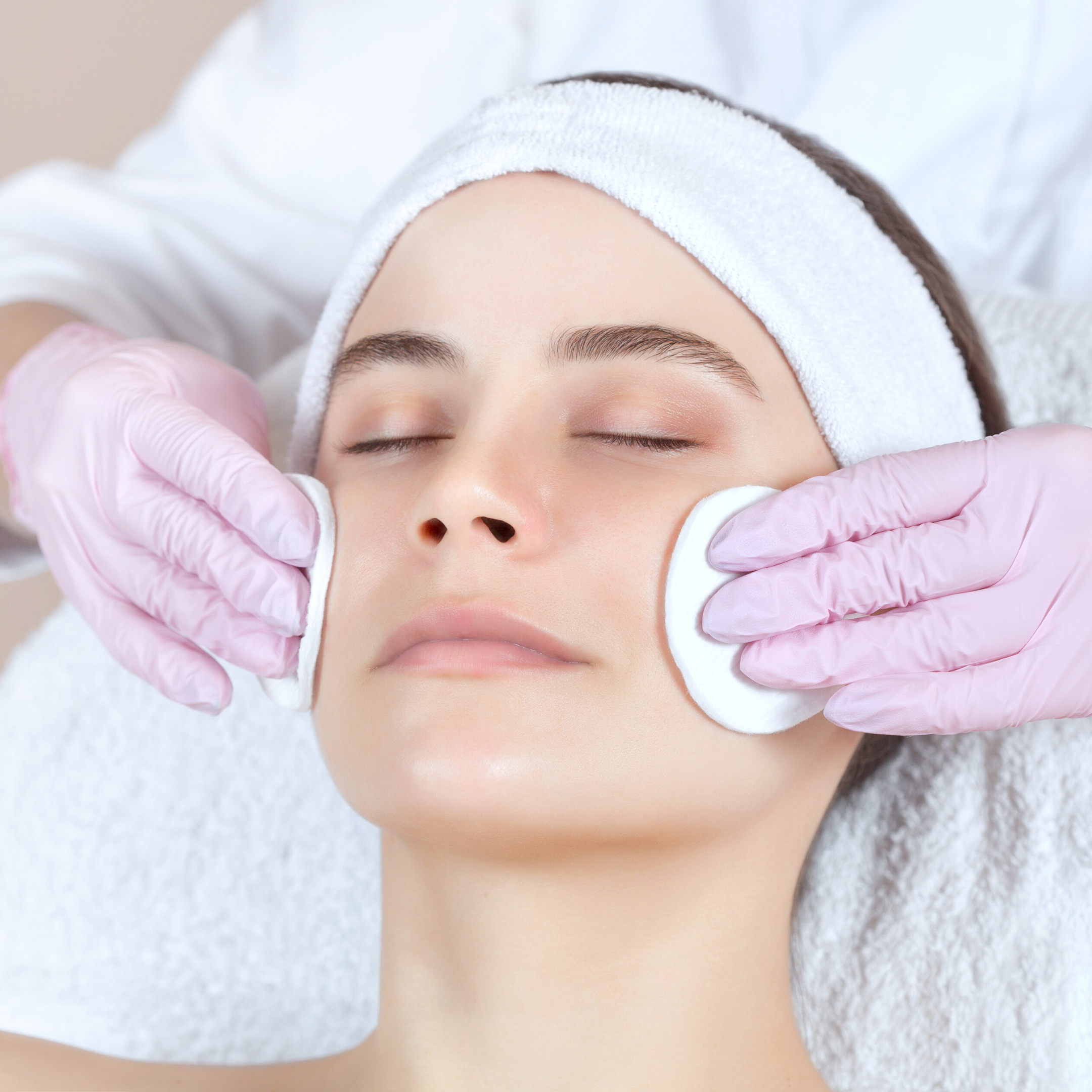
Something happens to skin every October that has nothing to do with which cleanser you're using. Outdoor humidity drops, indoor heat turns on, and skin that looked fine in August starts pulling and flaking by the second week of the transition. We see this pattern every year in clinic. It isn't new sensitivity; it's barrier stress, and it responds to specific ingredients, not a whole new routine.
QUICK ANSWER
Fall skin needs five ingredients in higher concentration than summer skin: ceramides to rebuild barrier lipids, squalane to replace slowing sebum, niacinamide to restart lipid production, peptides to support collagen during repair, and antioxidants to protect that repair from cold-air oxidative stress. Pull back on strong exfoliants and alcohol-based toners during the transition. They undo this faster than any ingredient can rebuild it.

Why Your Skin Changes When The Air Does
Most people assume their skin got more sensitive this time of year. It didn't. What changed is transepidermal water loss, or how fast water escapes through the skin's surface, which climbs as humidity drops and indoor heat pulls moisture from the air. The American Academy of Dermatology has documented this seasonal pattern for years.¹ Tightness, flaking, sudden reactivity to a serum that worked fine in July: all downstream of that one mechanical change.
The 5 Ingredients Fall Skin Actually Needs
Five categories do the actual work here, each covering different ground.
Ceramides
Ceramides make up roughly half the lipids holding the stratum corneum together. Clinical research on ceramide-containing emulsions recorded measurable reductions in water loss within four weeks of consistent use.² They rebuild the structure that loses integrity in cooler months; they don't just sit on top of it.
Squalane
Sebum production slows as temperatures drop. Squalane, the stable, hydrogenated form of a lipid already present in human sebum, fills that gap without the greasy finish heavier oils leave behind, and research on squalene and related compounds describes it as biocompatible and non-comedogenic.³
Niacinamide
Niacinamide isn't primarily a hydrator, despite how it's marketed. Research in the British Journal of Dermatology found nicotinamide increases ceramide biosynthesis in skin cells several-fold.¹ That means it prompts skin to manufacture its own barrier lipids, rather than just holding water at the surface the way a humectant does.
Peptides
Peptides don't repair the barrier directly, but they support the collagen network beneath it while that repair is happening. A 2026 systematic review of randomized trials found signal peptides measurably stimulate fibroblast activity and collagen synthesis, relevant when skin is already working overtime.⁴
Antioxidants
Fall sun feels weaker, but UV exposure through clouds and windows doesn't stop, and cold wind adds its own oxidative load. Trials on vitamin C and E stabilized with ferulic acid showed measurably reduced UV damage markers, protecting the repair work the other four ingredients are doing.⁵

“Why is my skin suddenly so dry in fall”
Most people reach for a richer moisturizer first. Richness was never the actual fix, lipid content was. A heavy cream without ceramides, squalane, or niacinamide can still leave skin tight by afternoon, because thickness and barrier repair aren't the same thing. If your moisturizer feels heavy but your skin still pulls, the formula is missing the lipids doing the structural work.
What To Scale Back This Season
Two habits carried over from summer work against fall skin specifically:
On a small screen, swipe across the table to read every column.
| Warm-Weather Habit | Fall Adjustment | Why It Matters |
|---|---|---|
| Daily AHA/BHA exfoliation | 2–3x weekly, max | Over-exfoliation strips the lipids the barrier needs to retain water |
| Alcohol-based toner | Ceramide-based lotion | Less natural oil to spare as sebum production slows |
| Vitamin C serum alone | Pair with vitamin E + ferulic acid | Stabilized combinations show meaningfully stronger UV protection |
One Formula, Three Of The Five
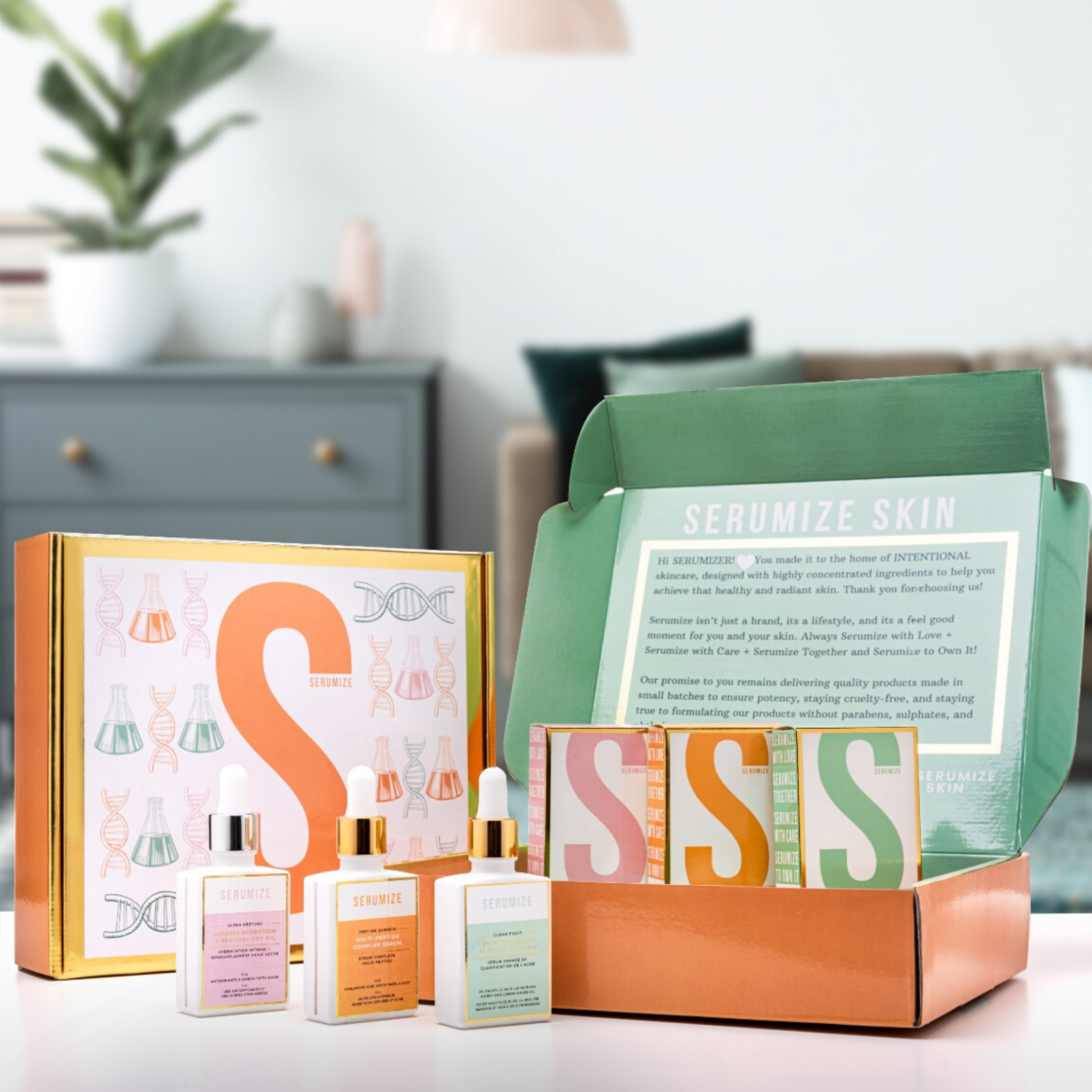
In practice, we reach for one formula that covers three of these five mechanisms in a single step. Ultra Restore Oil + Peptide Quench pairs squalane and ceramide-supportive lipids with peptides, which is useful when a nine-step routine is the last thing an already-stressed barrier needs. It's a starting point for the transition, not a replacement for the other two.
Build Your Routine
None of this requires replacing your entire routine. It requires adding back the lipids your skin stopped producing on its own a few weeks ago. If tightness and flaking are what brought you here, that's exactly where to start.
References
- Tanno O, Ota Y, Kitamura N, Katsube T, Inoue S. “Nicotinamide increases biosynthesis of ceramides as well as other stratum corneum lipids to improve the epidermal permeability barrier.” British Journal of Dermatology, 2000;143(3):524–531.
- Huang, et al. “Ceramide 1 and ceramide 3 act synergistically on skin hydration and the transepidermal water loss of sodium lauryl sulfate–irritated skin.” International Journal of Dermatology, 2008.
- “Biological and pharmacological activities of squalene and related compounds: potential uses in cosmetic dermatology.” Molecules, 2009;14(1):540–554.
- “Oral and topical peptides for skin aging: systematic review and meta-analysis of randomized controlled trials.” Frontiers in Medicine, 2026.
- “A topical antioxidant solution containing vitamins C and E stabilized by ferulic acid provides protection for human skin against damage caused by ultraviolet irradiation.” Journal of the American Academy of Dermatology, 2008.
- American Academy of Dermatology. “Dermatologists’ Top Tips for Relieving Dry Skin.” aad.org.
- American Academy of Dermatology. “Cold Weather and Your Skin.” aad.org, 2023.