Your calendar fills up. Sleep gets pushed back. Your usual routine becomes whatever you can manage before bed. Then your skin starts demanding attention, too.
If you’ve noticed breakouts during stressful weeks, you’re not imagining the connection. Stress can worsen existing acne. But that doesn’t mean every blemish is caused by stress, and it certainly doesn’t mean you’ve failed to manage your life well enough.
The most helpful skincare response is usually less dramatic than an overnight overhaul: keep your routine manageable, avoid punishing your skin, and choose products around what your skin actually needs.
What happens to your skin when you’re stressed?
Stress activates hormonal responses throughout the body. According to the American Academy of Dermatology, stress-related hormones can increase the amount of oil your skin makes, which may contribute to clogged pores and acne flare-ups.
Cortisol is part of the body’s stress response, but the relationship between stress and skin is more complicated than a single hormone. Genetics, existing skin conditions, products, and other factors still matter. It’s more accurate to say that stress can make existing acne worse than to say stress is the sole cause of acne.
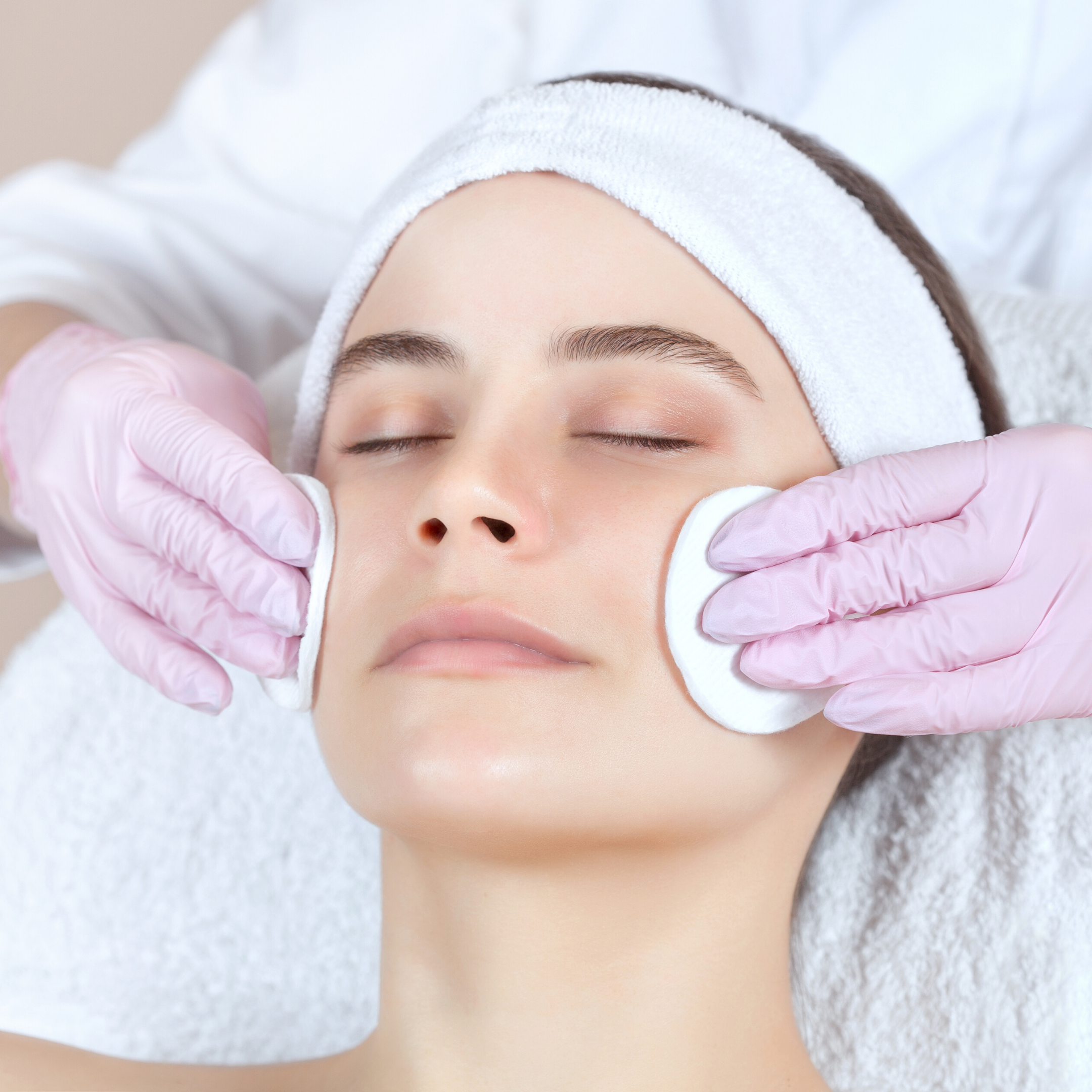
Stress can also affect the way you care for your skin. You might skip cleansing, pick at a blemish while working, or reach for several new products because you want something to change quickly. Those habits can turn a difficult skin week into a cycle of trial and error.
Start with consistency, not intensity
When your skin feels unpredictable, it’s tempting to do more: cleanse repeatedly, scrub away excess oil, or introduce a new exfoliant every few days. More effort doesn’t necessarily mean a better response.
The American Academy of Dermatology notes that scrubbing and other irritating habits can worsen acne. Instead of treating a breakout as a reason to start over, return to a routine you already tolerate.
Your busy-week goal: a routine you can repeat comfortably, not a bathroom shelf full of emergency fixes.
Keep cleansing gentle and familiar
Cleansing should remove the day’s buildup without becoming an attempt to scrub your skin into submission. Use your fingertips rather than abrasive tools, rinse gently, and resist the urge to keep washing until your face feels squeaky clean.
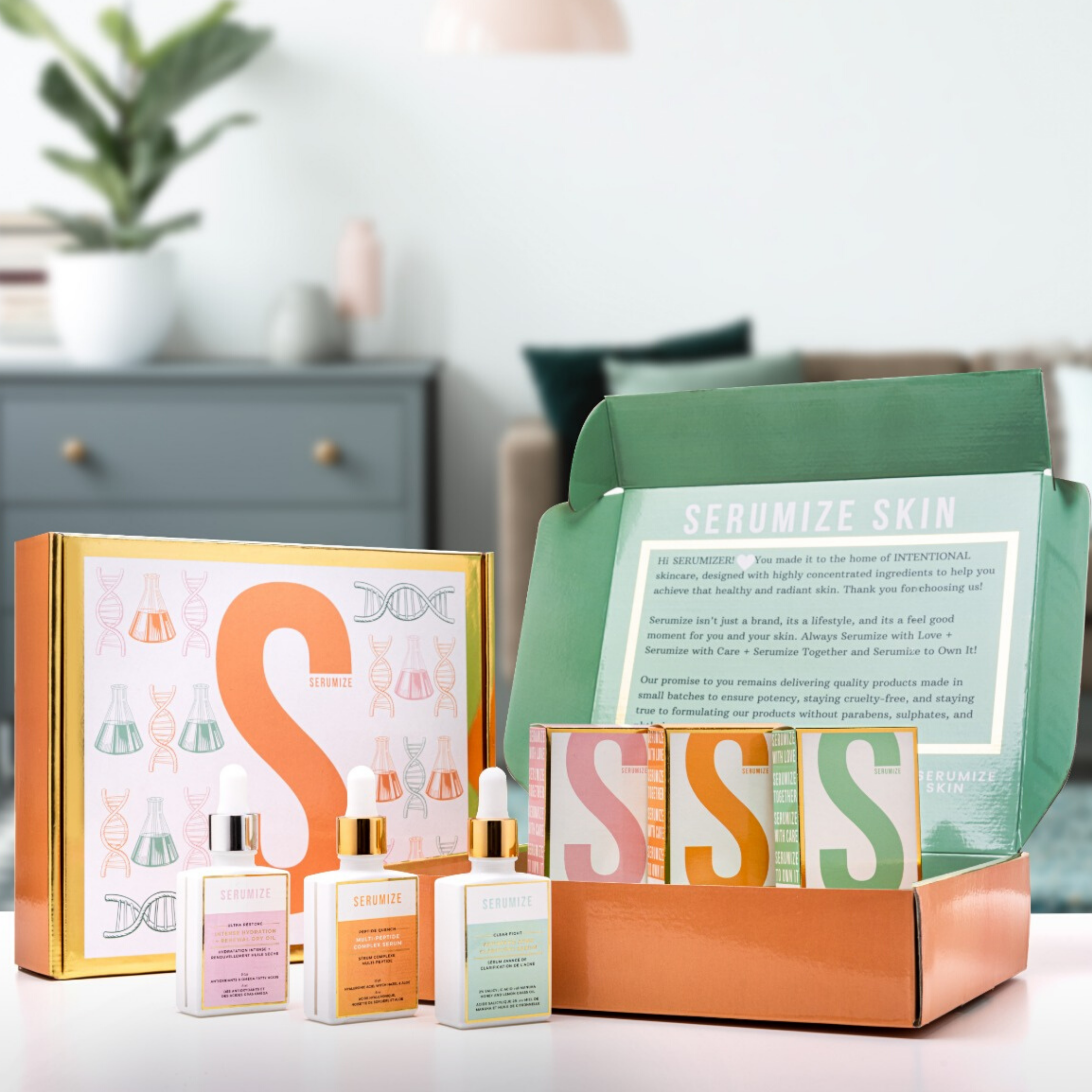
If you prefer a cleanser focused on maintaining a comfortable moisture balance, Ultra Restore Antioxidant Facial Cleanser is formulated with ingredients including aloe, chamomile extract, and green tea.
Stay with the cleanser your skin tolerates rather than switching simply because you’re having a stressful week. A familiar routine gives you fewer new variables to assess.
Make room for targeted care without piling it on

For oily, blemish-prone skin, Clear Fight Serum is a targeted option formulated with 2% salicylic acid. Its role in the routine is clarifying care, not treating stress or changing your cortisol levels.
If it’s already part of a routine you tolerate, follow its directions rather than increasing use because a breakout feels urgent. If it’s new to you, introduce it cautiously and avoid changing several products at the same time.
Check the rest of your routine, too. More than one product may contain exfoliating ingredients. Don’t assume that combining every clarifying product you own will work better, especially if your skin already feels dry or uncomfortable.
Don’t let hydration become an afterthought
A blemish doesn’t cancel your skin’s need for moisture. The American Academy of Dermatology recommends moisturizing as part of caring for oily skin and notes that suitable moisturizers can help prevent dryness and irritation in acne routines.

Peptide Quench Serum offers a hydration-focused serum step with a multi-peptide blend, aloe vera, and cassia angustifolia seed extract. Think of it as an option for the appearance and feel of hydrated skin, not a treatment for stress-related inflammation.
A serum also isn’t a reason to skip a moisturizer that works for you. If you prefer a simpler routine, Peptide Quench Hydrating Moisturizer brings together peptides, hyaluronic acid, niacinamide, and aloe in a moisturizing formula.
You don’t need every product mentioned here. Choose the steps that fit your skin and your existing routine.
What skincare can’t do
A serum can’t resolve an overwhelming workload, replace sleep, or treat an anxiety disorder. Calling a routine “stress-proof” asks too much of skincare and too much of the person using it.
It’s reasonable to make space for rest, practical support, and professional help when you need it. Your skincare can remain a small, familiar part of your day without becoming another performance target.
If breakouts are persistent, painful, leaving scars, or affecting your confidence, speak with a qualified healthcare professional or dermatologist. New or worsening skin symptoms shouldn’t automatically be dismissed as stress.
The takeaway: support your skin, don’t punish it
During stressful weeks, aim for a gentle cleanse, moisturizer, and only the targeted products your skin tolerates. Keep your usual daytime sun protection in place, and avoid chasing every change with another new formula.
Your skin doesn’t need you to be perfectly calm before you care for it. It needs a realistic routine, a little patience, and room for help when skincare alone isn’t enough.
Further reading
American Academy of Dermatology: 6 skin and hair conditions linked to stress
American Academy of Dermatology: 10 skin care habits that can worsen acne
American Academy of Dermatology: Moisturizer, why you may need it if you have acne
This article is for general education and does not replace individualized medical advice.