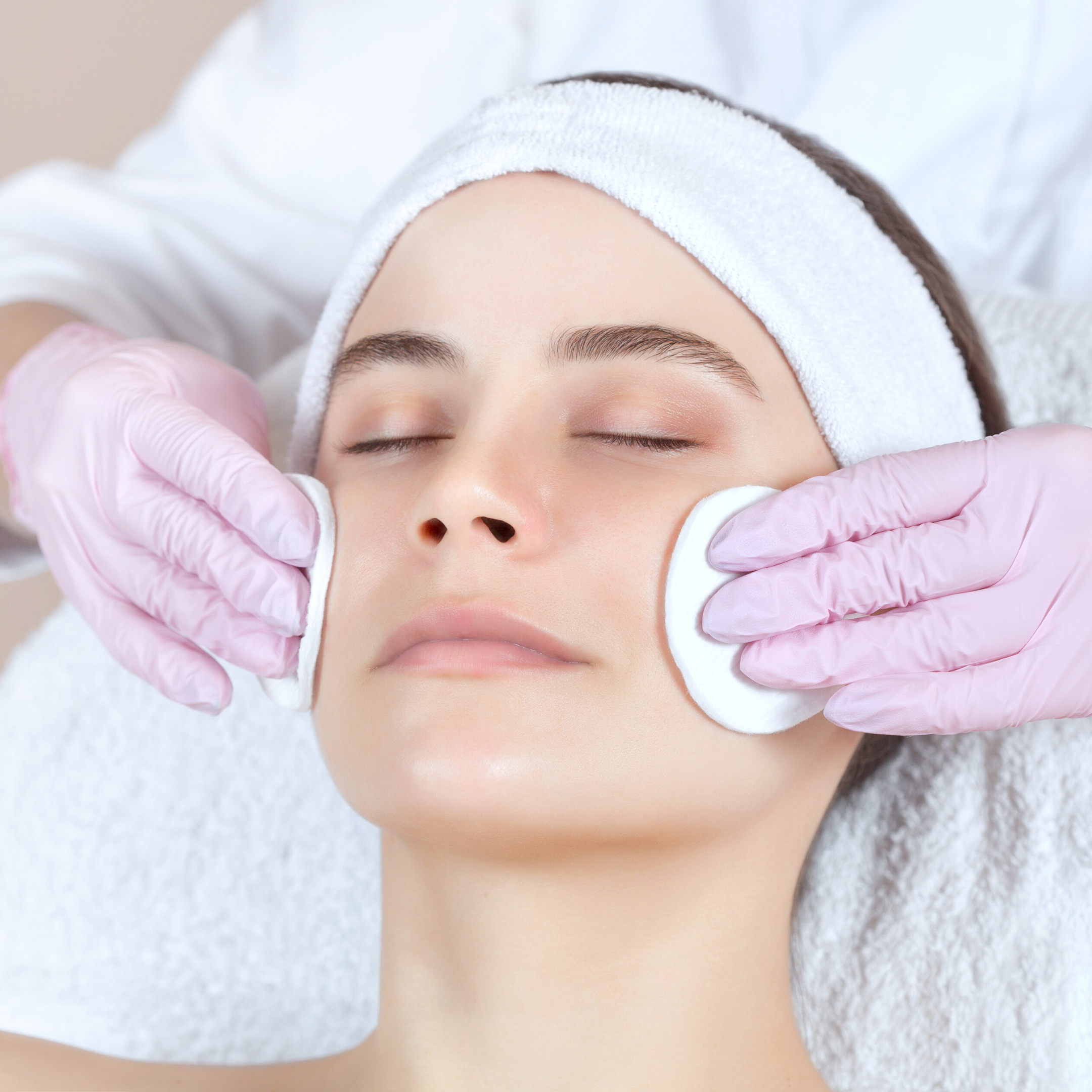
You've tried the cold spoon. The extra pillow. Concealer three shades too light, blended within an inch of its life. By mid-morning, the shadows are back. That's not a compliance problem; it's a diagnosis problem. Puffiness, dark circles, and fine lines are three distinct events happening in roughly two centimeters of skin, and treating one won't touch the other two.
|
Quick Answer Dark circles come from visible blood vessels or excess pigment in thin under-eye skin. Puffiness comes from fluid or fat, not pigment. Fine lines come from loss of collagen and elastin in the dermis. Each needs a different active: vitamin K or brightening agents for circles, caffeine or cold therapy for puffiness, and peptides, like those in SERUMIZE Peptide Quench, for fine lines. |
Why Do I Have Dark Circles Even When I'm Getting Enough Sleep?
People blame sleep for almost everything under the eye, but it's rarely the whole story. Periorbital hyperpigmentation has at least three separate mechanisms behind it: vascular, where blood vessels show through unusually thin skin; pigmentary, where melanin is overproduced in the area; and structural, where age-related volume loss around the tear trough casts a shadow that has nothing to do with pigment at all. We see this daily in consultations. A patient with vascular circles improves with vitamin K and caffeine. A patient with pigmentary circles needs a brightening agent instead; the same routine, applied to the wrong mechanism, does nothing.

Under Eye Puffiness Causes
What Actually Reduces It
Puffiness usually comes from one of two sources: fluid trapped in the tissue overnight, or the gradual forward migration of orbital fat as supporting tissue loosens with age. Genetics and allergies matter too (histamine release increases both swelling and vessel visibility here), none of that involves melanin. A brightening serum, however good, won't de-puff anything. Caffeine has the strongest clinical support in this category: topical formulations produce measurable, if temporary, reductions in swelling by constricting superficial vessels.

Best Eye Cream For Fine Lines
Why Peptides Work Where Hydration Doesn't
Fine lines form because the eye area moves more than almost any other patch of skin, and starts with the least collagen to begin with. Hydration plumps the surface temporarily. It doesn't rebuild what's underneath. Peptides work differently: signal peptides such as palmitoyl pentapeptide-4 prompt fibroblasts to produce more collagen, and split-face clinical trials have recorded measurable reductions in periorbital wrinkle depth alongside improved elasticity after consistent use. This is the mechanism we formulated Peptide Quench around: a concentrated peptide complex built to support the skin's own collagen response in the exact area where it declines fastest.
Puffiness vs. Dark Circles vs. Fine Lines
|
Concern |
Root Cause |
What Actually Helps |
|
Puffiness |
Fluid retention or forward fat pad movement |
Caffeine, cold therapy, elevated sleep position |
|
Dark Circles |
Visible vessels or excess melanin in thin skin |
Vitamin K derivatives, brightening actives, retinoids |
|
Fine Lines |
Collagen and elastin loss in the dermis |
Peptides (e.g., Peptide Quench), consistent daily use |
Build Your Routine
None of these three concerns respond to guesswork, and none of them respond overnight. A peptide-forward formula needs several weeks of consistent use before the change shows up in the mirror rather than just in a lab measurement. Start with whichever concern bothers you most, treat it by mechanism, then layer in support for the other two.
Clinical References
1. Roberts WE. Periorbital Hyperpigmentation: Review of Etiology, Medical Evaluation, and Aesthetic Treatment. Journal of Drugs in Dermatology. 2014;13(4):472–482.
2. Alsaad SMS, Mikhail M. Periocular Hyperpigmentation: A Review of Etiology and Current Treatment Options. Journal of Drugs in Dermatology. 2013;12(2):154–157.
3. Awal G, Kaur N, Shubham. Illuminating the Shadows: An Insight into Periorbital Hyperpigmentation. Pigment International. 2024. DOI: 10.4103/pigmentinternational_8_24.
4. Periorbital Hyperpigmentation: A Comprehensive Review. The Journal of Clinical and Aesthetic Dermatology. 2016;9(1):49–55.
5. Mayo Clinic Staff. Bags Under Eyes: Symptoms and Causes. Mayo Foundation for Medical Education and Research.
6. Suhendra NN, Sumaetheiwit R. The Efficacy of 7% Palmitoyl Pentapeptide-4 Serum for Periorbital Wrinkle Reduction. Rangsit Graduate Research Conference (RGRC). 2020;15:2870–2884.
7. Aruan RR, Hutabarat H, Widodo AA, Firdiyono MTCC, Wirawanty C, Fransiska L. Double-Blind, Randomized Trial on the Effectiveness of Acetylhexapeptide-3 Cream and Palmitoyl Pentapeptide-4 Cream for Crow's Feet. The Journal of Clinical and Aesthetic Dermatology. 2023;16(2):37–43.
8. Dewi SR, Cahyono A, Rafika A, Mawardi P. The Comparison of the Effects of Caffeine Topical 0.25% and 0.5% as Anti-Wrinkle Therapy. Department of Dermatovenereology, Universitas Sebelas Maret.